NGO Activities
International Women’s Day: Foundation empowers women with disabilities in Kaduna
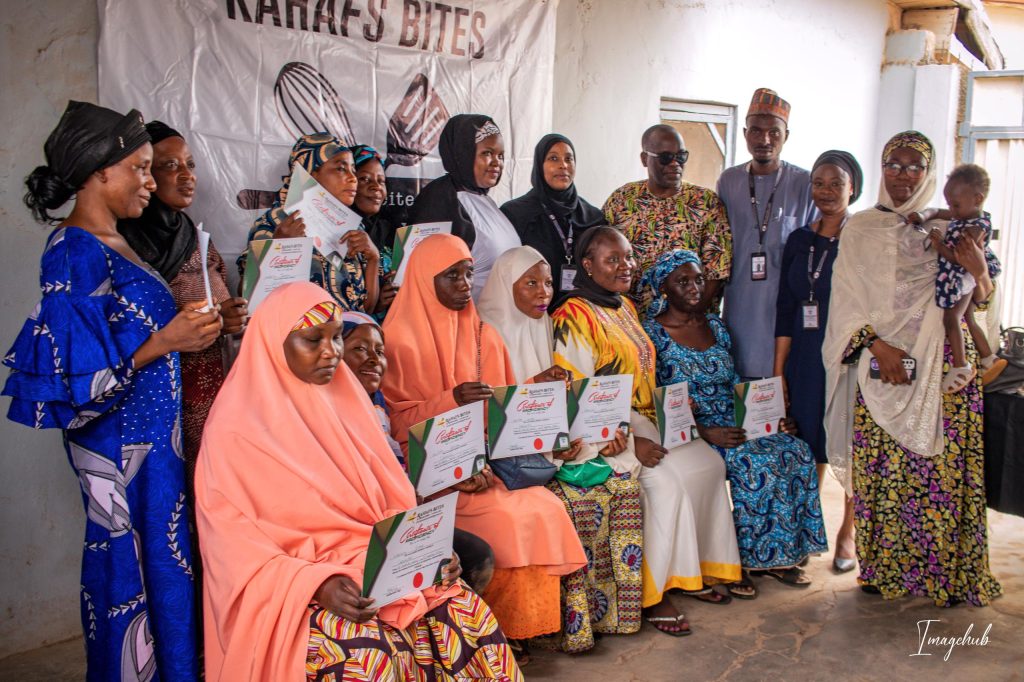
By: Mayen Etim KADUNA, North-West Nigeria – As part of activities to mark the International Women’s Day (IWD), the NGO, Women and Children’s Rights and Empowerment Foundation (WCREF), has trained ten women with disabilities on snacks making, juices and different types of patisseries in Kaduna State. This is as WCREF said the initiative is aim to give the women a livelihood and make them more independent. Speaking at a ceremony on Thursday, to present certificate of completion to the ten beneficiaries after a 2-day training at Badarawa Community in Kaduna North Local Government Area, the Executive Director of WCREF, Barr. Maryam Abdu, said her organization is working with vulnerable groups to seek inclusion, empowerment and build their capacity. She said in line with the Day’s theme: “Invest in women: Accelerate Progress” which informed the empowerment of the beneficiaries on skills acquisition; she said it also aligns with the #inspire inclusion campaign for IWD aimed to inspire and empower women from all walks of life. On what informed the choice of the facilitator of the training, Hajiya Hafsatu, the WCREF boss said, though a visually impaired person, the facilitator was not perturbed by her situation, rather was steadfast, level headed and dedicated to her craft. Barr Abdu further said it was the rare characteristics of Hajiya Hafsatu, that paved the way for other women to learn from her and break the glass ceiling which limits persons with disabilities in the society. “She has taught us all as women and as human beings that we should never ever let society or culture tell us that we cannot aim for the moon,” Abdu added. Hajiya Hafsatu, is the Founder of Rahafs Bites, a catering outfit known for production of patisseries, fresh juices and gourmet cuisines, and has successfully trained over 50 women on snacks making, juices and different types of patisseries. In his remarks, the Executive Director, Improvement In Respect To Social Status of Disability, Dr. Micah Shabi, commended WCREF for beaming it’s searchlight and attention towards Persons with Disabilities (PwDs), particularly the women with disabilities in Kaduna State. According to him, the Disability Convention 2006, Article 6, showed that women and girls with disabilities are subject to multiple discrimination in the world, and this could only be tackled by organizations such as WCREF. One of the beneficiaries, Ms Priscilla Daniel, a visually impaired, expressed her gratitude to WCREF for the kind gesture, which has afforded her and others the opportunity to acquire skills in snacks making, juices and different types of patisseries. She encouraged her colleagues to put to profitable use the little amount given to them as start-up packs. “We should endeavour to wisely use the little amount to start a small business. We do not need to rent a shop, rather with the little available we can start producing something and put them on display at the front of our homes, and gradually we will get to where we want to be,” Daniel urged. The IWD celebrate women’s achievement, raises awareness about discrimination, and takes action to drive gender parity. It is celebrated every year on March 8.
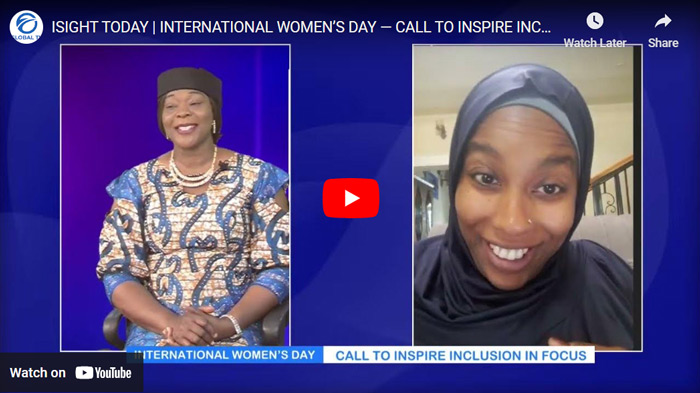
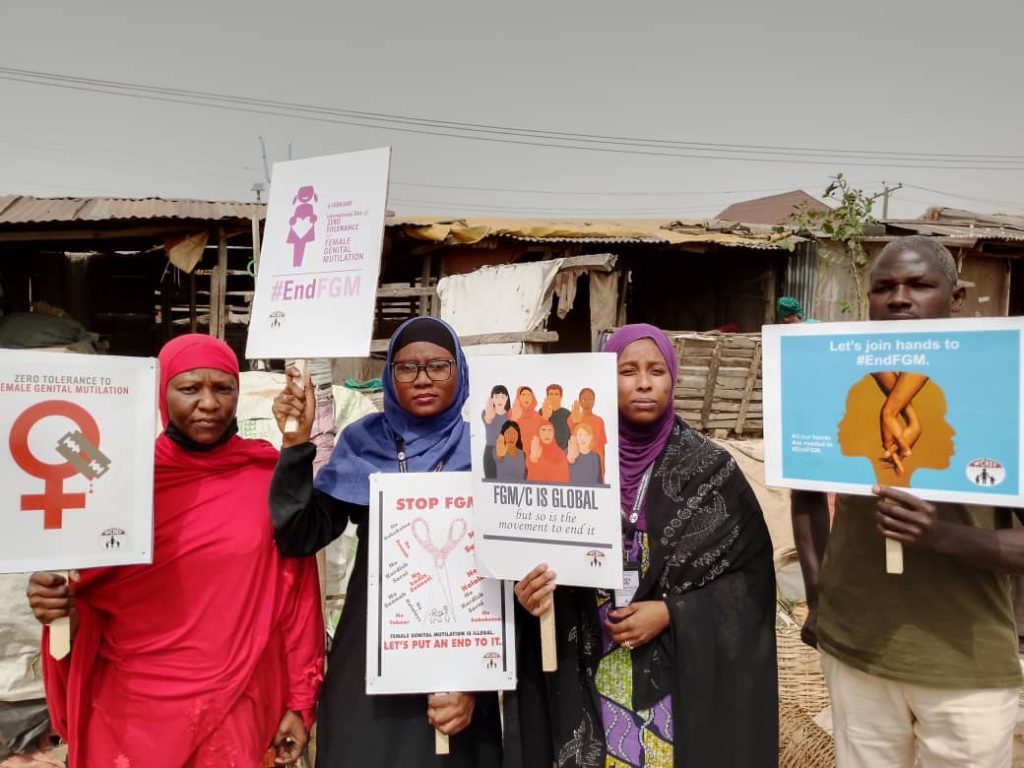
INTERNATIONAL DAY OF ZERO TOLERANCE FOR FEMALE GENITAL MUTILATION – 6th Feb, 2024.
We did a March through the market and interviewed women on FGM and its challenges. Made them aware that it is a repugnant practice that should be stopped.
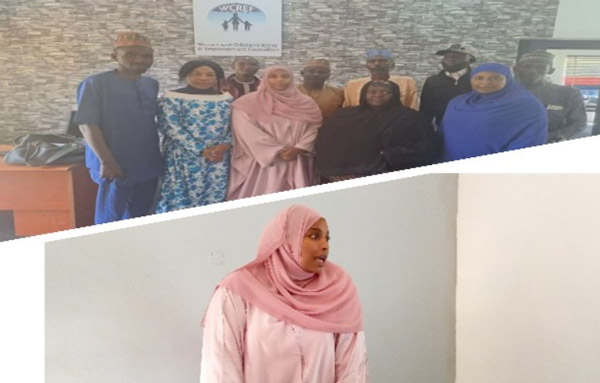
GBV: Foundation task media practitioners on gender sensitive reportage
…Wants Gov’t to work with CSOs to implement existing policies, laws By: Mayen Etim KADUNA, North-West Nigeria – The NGO, Women and Children’s Rights and Empowerment Foundation, (WCREF), has tasked media practitioners to practice gender sensitive Journalism and develop value based media that change the world and challenge gender inequality. Even as WCREF said the fight against Gender-Based Violence, (GBV) is a collective one, the Foundation called on government to work hand-in-hand with Civil Society Organizations, (CSOs) to implement existing policies and laws to curb the menace. Executive Director of WCREF, Barrister Mariam Marwa-Abdu, asserted this at a one-day training for media practitioners on Gender Based Violence (GBV), Sexual Exploitation and Abuse (SEA) and Gender Mainstreaming held in Kaduna on Wednesday, December 6. According to Barr Marwa-Abdu, gender-sensitive reporting is a practice of producing media content in a way that is sensitive to gender inequalities and portrays women and men fairly, it is a key principle of professional media production that is similar to values of accuracy and balance. Earlier in her remarks, the ED said the training was basically on gender mainstreaming -integrating a gender perspective to the content of reporting. She added that participants would be trained on the various forms and concepts of GBV and SEA so that they could get a deeper understanding about the menace. Speaking on ways to fight GBV, Barr Marwa-Abdu said people should first educate themselves on the root causes of the menace, then interrupt sexist or discriminatory language, stop sexual harassment, and stop victim blaming. Others she said are, “stop rape culture, create safe spaces to discuss gender based violence, stop stereotyping men and women’s roles, understand and practice consent; and through Gender sensitive/mainstreaming reporting.” The ED noted that fundamentally, SEA is a term used to describe inappropriate sexual conduct perpetrated by aid workers against recipients of assistance and other members of vulnerable communities in places like the IDP camps. She said in Nigeria there is the UN Strategy for Protection from Sexual Exploitation, Abused and Harassment, (PSEAH); according to her, this works on strategies and policies to prevent and combat all forms of sexual exploitation and abuse in humanitarian operations. She cautioned media practitioners to refrain from discriminating against or stereotyping clients on the basis of sex or gender. “Treat all clients with equal respect, offering gender sensitivity training to all employees; provide adequate representation of female care providers,” she added. She therefore urged media practitioners to sensitize the people about policies, legal documents and acts such as the Violence Against Person Prohibition (VAPP) Act, Convention on the Elimination of all forms of Discrimination Against Women, Protocol to the African Charter on Human and People’s Rights, the Penal code and Criminal code to keep the people abreast and aware that there are existing laws to protect and promote the rights of women. According to her, people at the grassroots in particular should know about the existence of these laws and policies, because it is difficult on their own to get legal aid or get people to listen to them. “I want them to understand that they’re not alone, as there are actual remedies that they could avail to get perpetrators sent to jail and as well get social support from organizations such as ours.”


JOB OPENING
Organization: Women and Children’s Rights and Empowerment Foundation (WCREF)Position Title: Programme OfficerDuty Station: Kaduna State with possibility of travels to other StatesPosting Period: October 18, 2023 -November 11, 2023Duration of initial contract: I year with possibility of extension subject to availability of funds JOB OPENINGAbout WCREFWomen and Children’s Rights and Empowerment Foundation (WCREF) is a non-profit, non-religious, nongovernmental organization dedicated to promoting and protecting women and children’s human rights. Founded by Barrister Mariam Marwa-Abdu, WCREF conducts research, advocates for gender-based violence prevention, and aims to eliminate obstacles hindering women and children from reaching their full potential.The main Goals of WCREF include: To ensure the promotion and protection of women and children through political, socio-economic and cultural tools available. To research on the various laws, customs, current events that affect the advancement and overall rights of women and children. To eliminate all obstacles that restrict women and children from achieving their full potentials. To network with other agencies and non-governmental organizations that work in the area of improving the lives of women and children. The main beneficiaries of WCREF’s activities are women and children. These women cut across all spheres of the society to include professionals, business women, politicians, students, rural women, NGO’s and CBO’s.Read more about WCREF https://wcref.org/The Programme Officer role at WCREF is multifaceted, encompassing program development,grant/proposal writing, fundraising, management, outreach, reporting, and budget oversight. This position reports to the Team Leader and plays a pivotal role in advancing WCREF’s mission and goals.Responsibilities:The programme officer will be responsible for the following duties.1. Programme Development: Participates in the development, implementation and evaluation of projects and initiatives that align with WCREF’s mission and goals. 2. Grant/Proposal Writing and Fundraising: Writes grants/ proposals to secure funding from donors and government agencies to support WCREF’s programmes. Should have the necessary skills and ability to engage in fundraising activities to sustain and expand WCREF’s programs and activities. Should be able to identify potential donors and cultivate relationships with supporters to secure the necessary funding for WCREF.3. Programme Management/Implementation: Monitors and analyzes programme/project development and implementation; reviews relevant documents and reports; identifies problems and issues to be addressed and proposes corrective actions; liaises with relevant parties; identifies and tracks follow-up actions. Oversees the execution of programs, ensuring that activities are carried out according to the project plan and within budget.4. Outreach activities: Undertakes, develops communication and stakeholder engagement plans and uses appropriate tools of effective project management in design the delivery of capacity building projects at grassroots levels.5. Documenting/ Reporting: Prepares regular reports and updated documents of programme activities for donors and stakeholders, detailing program achievements and challenges.6. Strengthen local level networking and coordination with relevant local structures, CSOs, INGOs, media and Government Departments involved in WCREF’s interventions, including relationship building with all critical stakeholders.7.Budget Management: Coordinates activities related to budget and funding (programme/projectpreparation and submissions, progress reports, financial statements, etc.) and prepares relateddocuments/reports (pledging, work programme, programme budget, etc.). Tracks expenses to ensure resources are used efficiently.Competencies:Professionalism: Knowledge of functions, processes and best practices related to capacity development, operational training, and/or knowledge management. Ability to identify issues, analyze and participate in the resolution of issues/problems. Ability to apply judgment in the context of assignments given and manage conflicting priorities. Ability to direct, supervise and train support staff. Shows pride in work and in achievements; demonstrates professional competence and mastery of subject matter; is conscientious and efficient in meeting commitments, observing deadlines and achieving results; is motivated by professional rather than personal concerns; shows persistence when faced with difficult problems or challenges; remains calm in stressful situations. Takes responsibility for incorporating gender perspectives and ensuring the equal participation of women and men in all areas of work.Stakeholder Orientation: establishes and maintains productive partnerships with stakeholders by gaining their trust and respect; identifies stakeholders’ needs and matches them to appropriate solutions; monitors ongoing developments inside and outside the stakeholders’ environment to keep informed and anticipate problems; keeps stakeholders informed of progress or setbacks in projects. Technological Awareness: Keeps abreast of available technology; understands applicability and limitation of technology to the work of the office (be familiar with Microsoft office tools); actively seeks to apply technology to appropriate tasks; shows willingness to learn new technology.Education:Bachelor’s Degree in Social Sciences, Law, Business Administration, Management, Economics,International Development, or related field. Master’s Degree is preferable.Work Experience: A minimum of five (5) years of progressively responsible experience in project/programme management or related area is required, with a track record in successfully designing and managing development programmes focused on women and children’s rights. Proven experience in results-based management and project cycle management, including assessment, monitoring and evaluation, with a sound understanding of log frames, project finance and budgets. Demonstrated experience in managing internal and external relationships, particularly with government and other relevant stakeholders in the field of women and children rights. Experience in designing, developing and evaluating human resources learning and development programmes using a variety of methodologies such as online, social media, face-to-face and blended learning is desirable. Experience in human resource learning and development is desirable. Experience in developing rights-based programmes and working with marginalised and vulnerable groups is desirable. Excellent interpersonal and intercultural skills and teamwork. Language:English Language is the working language so fluency in English language is required. Additionally, a working knowledge of Hausa is desirable to better facilitate activities and programmes at the grassroots level.Assessment:Evaluation of qualified candidates may include a virtual or in-person assessment exercise which may be followed by competency-based interview.How to Apply:Interested candidates should send a Letter of Motivation and a detailed CV (not exceeding 5 pages) with relevant references as a single document to wcref2011@gmail.com and CC mariamabdu3@gmail.com by midnight on November 11, 2023. Email subject: “Application for Programme Officer WCREF.” Note: WCREF promotes diversity and inclusiveness and welcomes applications from all backgrounds, women are particularly encouraged to apply. WCREF does not charge any fee at any stage of the application process and does not request applicants’ bank account information.
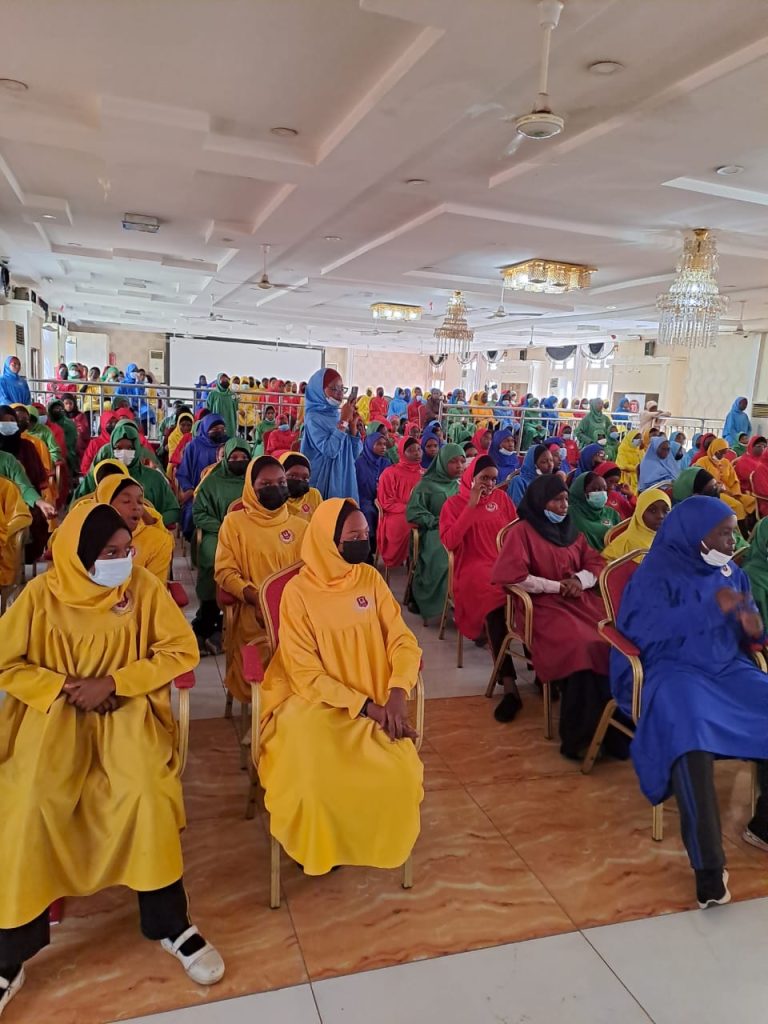
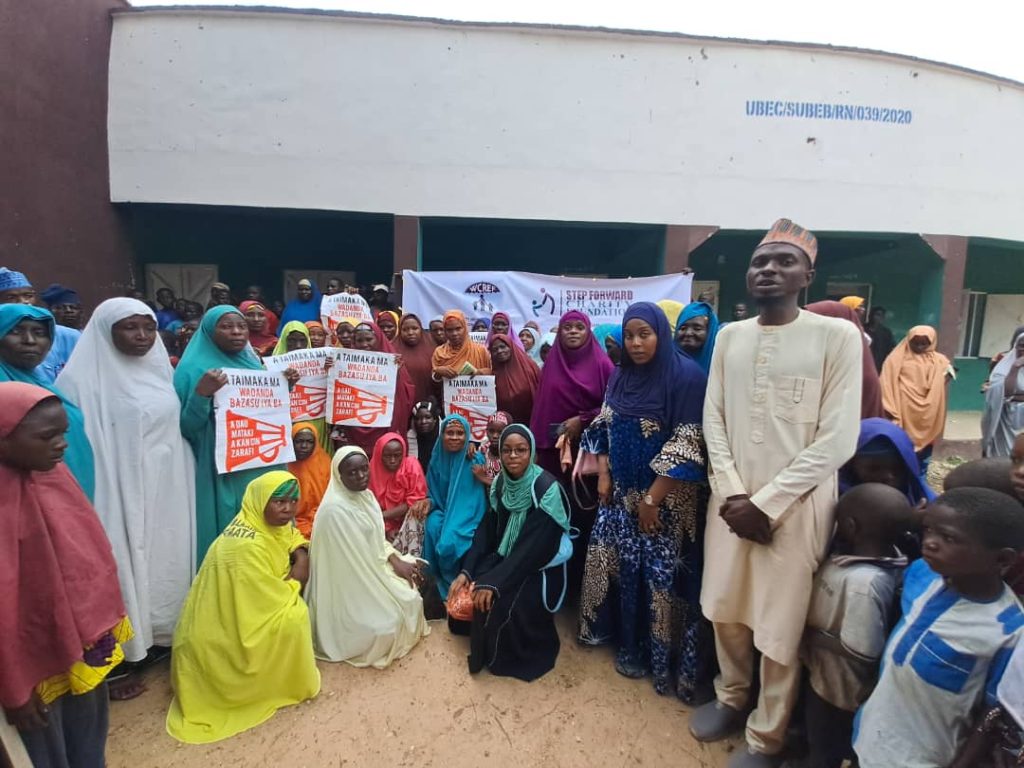
Gender based Violence in Northeast; NGO’s come to the rescue.
From Abdul Ardo Two Humanitarian Non Governmental Organizations, the Women and Children’s Rights and Empowerment Foundation ( WCREF ) led by Hajia Mariam Abdu and Step Forward Charity Foundation headed by Abdulsalam Ridwan have jointly organised a one day sensitisation for the Communities of Gadan Maiwa of Ningi local Government area with a view to helping the less privileged on programmes that would be beneficial to them and sensitize them on gender based Violence. The Communities who were visibly happy with the support of the Humanitarian Organizations on the sensitisation, commended the organizers for making them to be much aware of gender violence especially cases of rape which is very rampant in the community.One of the participants further said” our children, sisters and even the elderly women were being raped almost on daily basis on their way to the farms or somewhere that is isolated from the eyes of the public and no action is being taken when the case is reported, and that’s why most of them prefer to keep quiet and let the matter go quietly according to one of the local residents Hafsat Ya’u who said ” we thank God the Almighty for bringing this programme to us and we thank the founder for promising to be taking such cases to its logical conclusion whenever it occurs. A Community leader Alhaji Abubakar explained to the organisers that there were problems Gender based Violence within the community adding that coming of the sensitisation is a blessing to them as many people have been sensitised to address the issue. He called on other Non Governmental Organizations to emulate the foundation and bring it closer to the people especially the less privileged who would certainly be the most beneficiaries. The Executive Director of the Women and Children ‘s Rights and Empowerment Foundation Barr. Mariam said the foundation deliberately chose this community having realised that the community has been left behind in the training on Gender based Violence in the area and as such they are suffering in silence, she further said ” We are here to empower them and to make them know that if you have been raped, don’t suffer in silence and don’t keep it to yourself, I will actually be standing for you if the case arises and have created a coalition of able bodied who have different positions like the Police, Civil Defence, Lawyers and well meaning Nigerians to help out, ” We are 120% behind you as there are Laws, Policies that backs them and it’s time for us to not shy away from things done that are not our fault. It’s time to speak up and get justice she concluded. Mr Abdulsalam Ridwan a co-convener of the sensitisation program explained that the Foundation had been in existence since 2018 and had been conducting the Sensitisation program on Gender based Violence GBV in the North Western part of the country.On his part another resident saidbefore the coming of the programme, rape cases were on the high side and even recently, we have two cases of rape and we have handed the cases to Barrister Mariam Abdu who is already takimg up the matter inorder to help us take them up.“May the Almighty Allah continue to help her and whoever is behind this foundation so as to continue to help the less privileged, in the community. “Before the coming of the programme, rap“May the Almighty Allah continue to help her and whoever is behi blessing to the community as many people had been sensitised on how to address it“We are here to empower them to make them know that if you have been raped or knows anybody that has been raped, don’t suffer in silence and don’t keep it to yourself. “I will actually be standing for them if the case arises and we have created a coalition of able bodied people who have different positions like the Civil Defence, Police, Lawyers and others. “I want them to know that they are not alone, we are behind them 120 per cent as there are laws, policies that back them and It’s time for us to not shy away from things that are not our faults, it’s time for us to speak up and get justice,” she advised.