NGO Activities
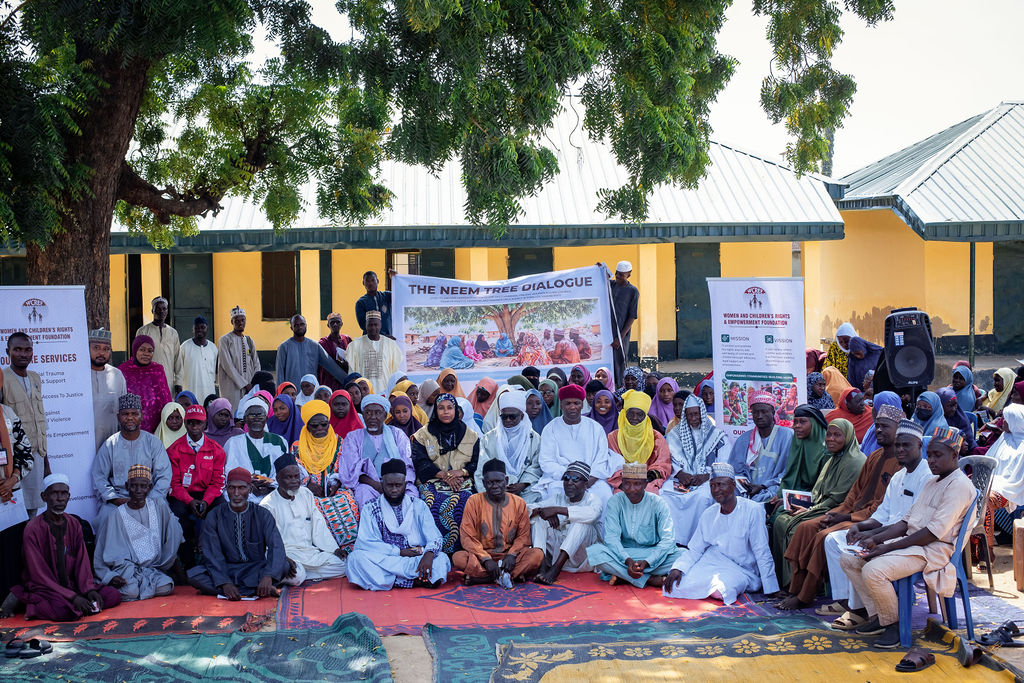
The Neem Tree Dialogue Project, Community Engagement at Zaria City.
We kicked off the community outreach of the Neem Tree Dialogue Project last week at Zaria City.
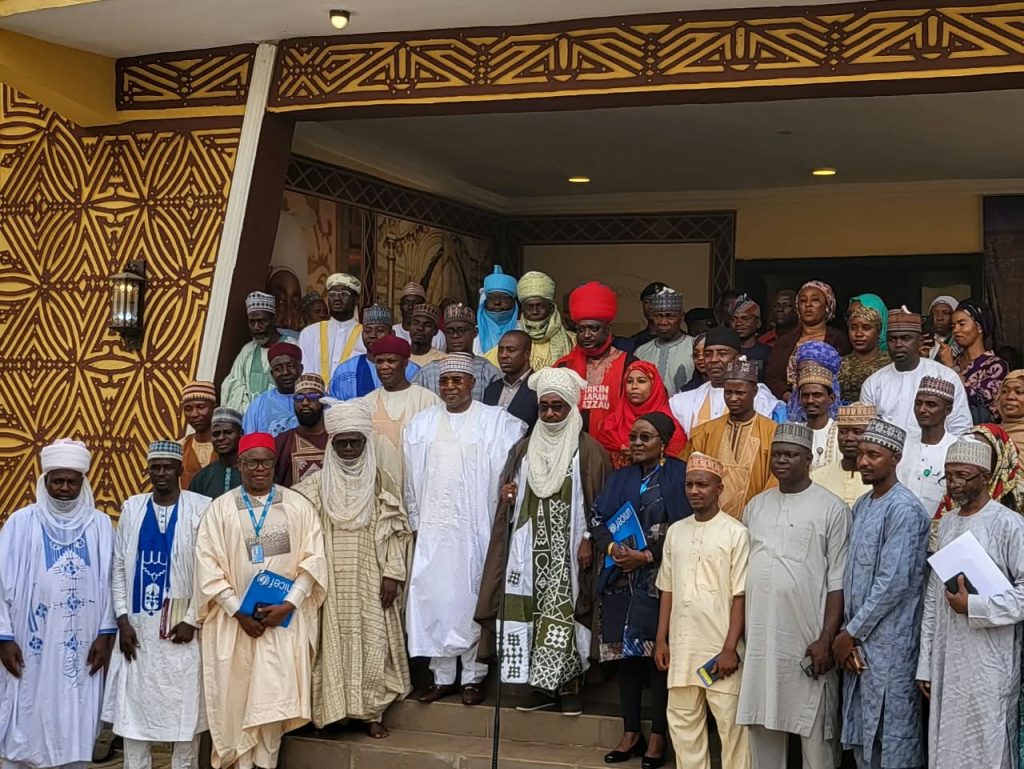
UNICEF Backed Neem Tree Dialogue to Tackle Child Marriage, Violence Against Children in Kaduna
By Uangbaoje Alex, Kaduna https://newswebexpress.com/ The United Nations Children’s Fund (UNICEF) is backing a community-based child protection initiative in Kaduna State aimed at preventing child marriage, sexual violence, female genital mutilation (FGM) and other harmful practices through positive parenting, community dialogue and improved access to survivor-centred services. The initiative, implemented through the Kaduna State Ministry of Justice and community partners, targets at least 1,000 parents in five Zaria communities with positive parenting education, child protection awareness and stronger referral pathways for survivors of violence. The initiative, known as the Neem Tree Dialogue, was officially launched at the palace of the Emir of Zazzau in Zaria, with UNICEF providing strategic and technical leadership and working through the Kaduna State Ministry of Justice, the Women and Children’s Rights Empowerment Foundation and other government and community institutions to strengthen protection for children. The programme seeks to move child protection beyond legislation and emergency intervention by addressing the family and community conditions that expose children, particularly girls, to violence, exploitation, early marriage and the denial of educational opportunities. Its approach combines structured parenting sessions, community awareness campaigns, storytelling, engagement with traditional and religious leaders, and stronger links between communities and Sexual Assault Referral Centres (SARCs). The initial community action initiative is expected to reach at least 1,000 parents across five Zaria communities: Gelesu, Tudun Wada, Zaria City, Samaru and Kongo. The broader Sexual Violence Against Children Prevention and Response Programme also covers Kaduna and Kwara states under UNICEF’s Kaduna Field Office, with interventions designed to strengthen protective family environments, improve access to services and promote gender-equitable social norms. The launch brought together the Emir of Zazzau, Ambassador Ahmed Nuhu Bamalli; Chairman of the National Drug Law Enforcement Agency (NDLEA), retired Brigadier-General Mohammed Buba Marwa; representatives of the Kaduna State Ministry of Justice; UNICEF officials; traditional and religious leaders; and other stakeholders. UNICEF places families at the centre of child protection Delivering UNICEF’s goodwill message, the Chief of Field Office in Kaduna, Dr. Gerida Birukila, emphasised that the family remains the first environment in which children learn values, receive care and protection, and develop the confidence to participate in decisions affecting their lives. She noted that despite the importance of the family, many children remain exposed to street life, child labour, sexual violence, early marriage, poverty and insecurity. The UNICEF representative stressed the need to equip parents and caregivers with practical skills to raise children in safe, nurturing environments where their rights, dignity and voices are respected. The programme promotes positive parenting practices, including quality time with children, effective communication, emotional literacy, constructive conflict resolution and discipline without violence. It also seeks to encourage parents to recognise children as individuals with rights and aspirations rather than treating them merely as dependants whose lives and futures should be determined without their participation. Birukila highlighted the importance of traditional institutions in bringing communities together, challenging harmful social norms and encouraging collective responsibility for children’s wellbeing. She described the Neem Tree as a symbol of shade, protection and a gathering place where people can reflect on shared challenges and agree on practical solutions. The initiative, she indicated, offers an opportunity to translate that symbolism into community action by creating spaces where parents, children, traditional rulers, religious leaders and public institutions can discuss sensitive issues and develop locally acceptable ways to protect children. Data reveal scale of child protection challenges The programme comes against the background of persistent child protection challenges reflected in national surveys covering Kaduna and other states within UNICEF’s Kaduna Field Office. Data from the 2021 Multiple Indicator Cluster Survey (MICS), as presented in the programme materials, indicate that 93 per cent of children aged one to 14 in Kaduna experienced violent discipline. The corresponding figures were 91 per cent in Kwara, 91 per cent in Nasarawa and 89 per cent in Niger, compared with a national average of 90.4 per cent. The figures underscore the need to strengthen positive parenting and reduce the use of physical punishment and other violent disciplinary practices in homes. The same survey data put child labour prevalence among children aged five to 17 at 40.9 per cent in Kaduna, 19.2 per cent in Kwara, 39.2 per cent in Nasarawa and 42.9 per cent in Niger, against a national average of 31.5 per cent. Child marriage also remains a major concern. According to the supplied MICS 2021 figures, 35.4 per cent of women aged 20–24 in Kaduna had married before the age of 18, compared with 33.4 per cent nationally. The figures for Kwara, Nasarawa and Niger were 17.8 per cent, 29.2 per cent and 36.2 per cent, respectively. For marriage before the age of 15, the corresponding figures were 16.9 per cent in Kaduna, 10 per cent in Kwara, nine per cent in Nasarawa and 9.7 per cent in Niger, against a national average of 12.3 per cent. The programme materials also cite the 2024 Nigeria Demographic and Health Survey (NDHS), which recorded female genital mutilation prevalence among girls aged zero to 14 at 16.4 per cent in Kaduna, 23.9 per cent in Kwara, 25.7 per cent in Nasarawa and 2.4 per cent in Niger. These indicators point to the importance of sustained prevention efforts that address the social expectations, parenting practices and community attitudes that can expose children to harm. The programme also draws on the 2014 Nigeria Violence Against Children Survey, which found that approximately 25 per cent of females and 11 per cent of males aged 18–24 had experienced sexual violence before turning 18. The evidence reinforces the need for a child protection system that combines prevention, early identification, appropriate referrals, access to justice and support for survivors. Ministry of Justice to drive state-level implementation The Kaduna State Ministry of Justice is a key implementing partner in the initiative, working with UNICEF and other institutions to strengthen the connection between child protection laws, access to justice and community-level prevention. Representing the ministry at the launch, Mrs. Hafsat Umar reaffirmed the state government’s commitment to enforcing child

WCREF boss honoured as Northern Nigeria’s top author
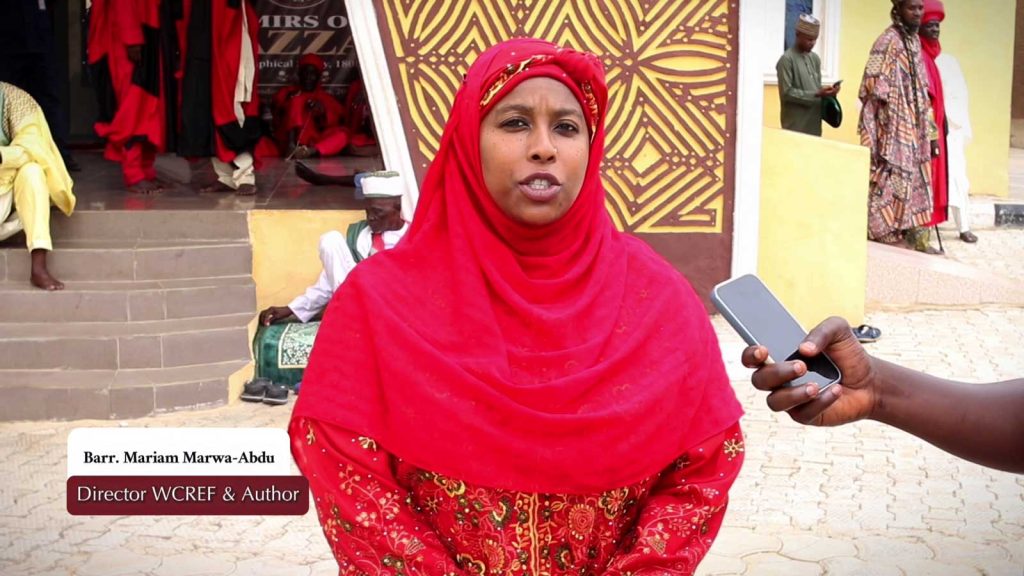
By Mayen Etim KADUNA, North-West Nigeria — The Executive Director of Women and Children’s Rights and Empowerment Foundation, Mariam Marwa-Abu, has been honoured as the Most Outstanding Author in Northern Nigeria 2026 by the Arewa Publishers Forum of Nigeria. Marwa-Abu, a lawyer and child-rights advocate, is the author of In the Shadow of the Neem Tree, a thought-provoking book that calls on parents and guardians acting in loco parentis to reflect deeply on their responsibility to safeguard the wellbeing of children. Through the book, the author gives voice and strength to young girls while challenging society to confront the profound and lasting consequences of early and forced marriage, including its social and psychological effects and its impact across generations. Presenting the award during a ceremony at Marwa-Abu’s office in Kaduna on Monday, the National President of the forum, Alhaji (Dr.) Sani Mohammed, commended her for using her writing and advocacy to address child abuse and other societal challenges. Mohammed, however, called on gender advocates to also pay greater attention to issues affecting boys and men. He said while women and girls deserved protection from abuse and discrimination, boys and men also faced harassment and other forms of injustice that should not be ignored. “You people go from one place to another seeking rights for female children. Gender, gender, gender — please find somewhere to talk about male children because men are also harassed, even in their marriages,” he said. He added that the recognition had placed Marwa-Abu’s name “with golden ink” among notable authors in the region. Through the book, the author gives voice and strength to young girls while challenging society to confront the profound and lasting consequences of early and forced marriage, including its social and psychological effects and its impact across generations. Presenting the award during a ceremony at Marwa-Abu’s office in Kaduna on Monday, the National President of the forum, Alhaji (Dr.) Sani Mohammed, commended her for using her writing and advocacy to address child abuse and other societal challenges. Mohammed, however, called on gender advocates to also pay greater attention to issues affecting boys and men. He said while women and girls deserved protection from abuse and discrimination, boys and men also faced harassment and other forms of injustice that should not be ignored. “You people go from one place to another seeking rights for female children. Gender, gender, gender — please find somewhere to talk about male children because men are also harassed, even in their marriages,” he said. He added that the recognition had placed Marwa-Abu’s name “with golden ink” among notable authors in the region. Responding, Marwa-Abu described the award as a reward for hard work and an encouragement to continue her advocacy. She said she initially wrote the book as a different way of reaching communities and helping people understand the challenges confronting children. “It’s wonderful when you work hard and you are appreciated. There’s nothing like it,” she said. “Initially, when I wrote the book, it was for the community. I just wanted to do something different. “Every day, as a lawyer or activist, you go into communities and tell people about the problems they face. So I said, let me try something different and write a book that they can read and see themselves in the characters because it is fictional.” She said she was grateful for the recognition, noting that the book had received other forms of appreciation since its publication. “I deeply appreciate you taking the time to recognise me and give me this award, and I’m very grateful,” she added. Asked why her advocacy appeared to focus more on the girl-child than the boy-child, Marwa-Abu said girls remained disadvantaged by longstanding social and cultural structures. She explained that discrimination against girls often began from childhood, giving boys what she described as a head start in life. “Female children are marginalised. When you say marginalised, it means that as they are born, they already have a setback, so a male child is already given a head start,” she said. She cited her experience as a mother, saying people had reacted differently when she had daughters before eventually having a son. “I had two daughters before I had a son, and the only thing I was hearing was, ‘Oh, finally.’ Why? That is so funny when I had only just had two daughters,” she said. Marwa-Abu said the historical discrimination against girls, including harmful practices against female children, demonstrated why sustained advocacy and protective policies remained necessary. She said women and girls continued to suffer sexual violence, mutilation, insults and harassment, stressing that advocacy in the gender space remained essential. “Unfortunately, the world is already patriarchal, which means it already has men in mind. Female children suffer, whether they are raped, mutilated, insulted or harassed,” she said. “That is why policies are needed to protect them because they cannot always protect themselves. That is why I work in the gender space because we need advocates and people who understand.” The WCREF boss also condemned early and forced marriage, describing it as a harmful practice that should not be allowed to continue.She recalled the case of an eight-year-old girl who, according to her, had been prepared for marriage without understanding what it meant. “A few weeks ago, an eight-year-old girl had all this ‘lalle’ on her hands and she was ready. They were marrying her off. She had already been told, but she didn’t understand the concept because she was smiling and happy,” she said. “She did not know that she would leave home, leave her parents and stay with a strange man she does not know.” Marwa-Abu argued that early and forced marriage should not be presented as an Islamic practice, saying some of the practices were rooted in culture. “So this is not Islam. These things are foreign and cultural. It is time that we understand the implications of early and forced marriage,” she said. “The sooner we understand it and the sooner we tell people

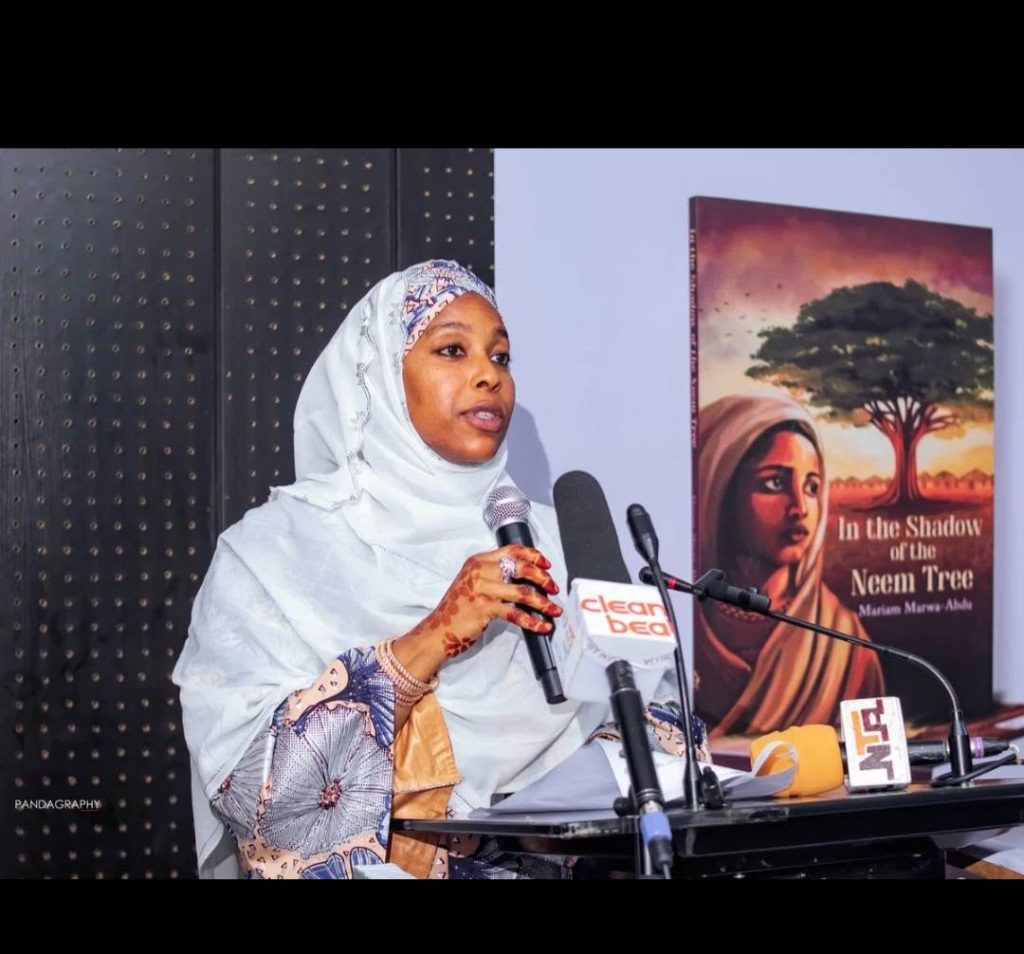
WCREF Director Barrister Mariam Marwa-Abdu Launches Handwritten Book Tackling Early Marriage.
By Zakari Haruna Isah for https://www.frontlinenews.org.ng/ By turning the painful realities of child marriage into compelling fiction, Barrister Mariam Marwa-Abdu is emerging as one of Northern Nigeria‘s inspiring literary voices, using storytelling as a powerful tool for social change. A lawyer by profession and an advocate for the rights of women and children, Mariam Marwa-Abdu believes that stories have the power to shape minds, influence public opinion and inspire action. Her debut novel, In the Shadow of the Neem Tree, reflects that conviction, placing the struggles, hopes and resilience of the girl child at the centre of national discourse. The book, officially launched before an audience of traditional rulers, government officials, legal practitioners, development partners and literary enthusiasts, tells the story of girls determined to rise above circumstances that often deny them education, dignity and the freedom to choose their own future. The novel explores themes of early marriage, gender inequality and the importance of empowering girls through education. Those who know Mariam say her passion for advocacy did not begin with the publication of her book. Speakers at the launch described her as a gifted, intelligent and meticulous individual whose commitment to justice has always been evident. One speaker who knew her from childhood recalled her exceptional academic abilities and determination from an early age, qualities that have continued to define her professional and literary journey. Her writing is deeply rooted in empathy. The dedication of In the Shadow of the Neem Tree—”To every girl who dares to dream beyond her circumstances”—captures the philosophy behind her work: that a child’s future should never be limited by the conditions into which she is born. The novel has also received recognition from government and development stakeholders. In a goodwill message delivered on behalf of the Kaduna State Commissioner for Women Affairs and Social Development, the book was described as more than a literary achievement. It was praised as a courageous contribution to the campaign against early marriage and a meaningful addition to efforts aimed at protecting the rights, dignity and future of the girl child. According to the ministry, literature remains one of the most effective instruments for social transformation because it reaches hearts in ways statistics and policy documents often cannot. By presenting the human realities behind harmful traditional practices, Mariam Marwa-Abdu challenges readers to see every girl as a person with dreams, talents and limitless potential. Beyond the courtroom and the pages of her novel, Barrister Mariam Marwa-Abdu represents a growing generation of professionals who are blending legal advocacy with creative expression to address societal challenges. Rather than merely highlighting problems, she invites communities to reflect, engage and become part of the solution. As In the Shadow of the Neem Tree finds its place on bookshelves and in public conversations, Mariam Marwa-Abdu’s voice continues to resonate beyond literature. Her work stands as a reminder that stories can become instruments of justice, hope and lasting change, especially when they inspire society to protect every child’s right to dream, learn and thrive. Culled from https://www.frontlinenews.org.ng/
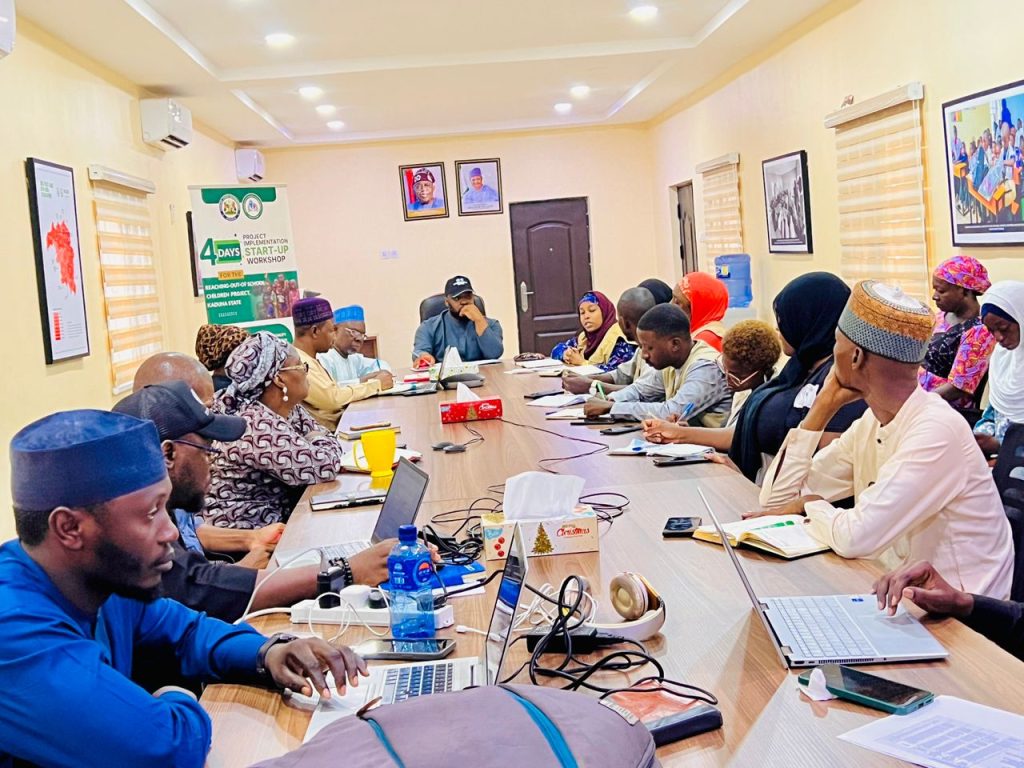
WCREF meet with Partners on ROOSC(Reaching Out of School Children) Project.
On 7th July, 2026 WCREF team meet with partners to discuss ROOSC(Reaching Out of School Children) Project.
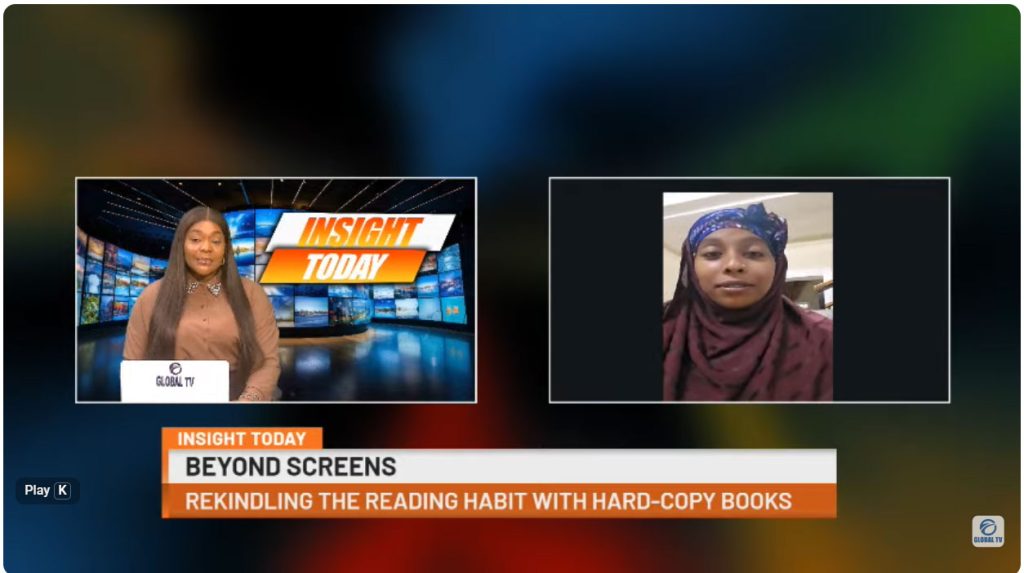
INSIGHT TODAY – REKINDLING THE READING HABIT WITH HARD-COPY BOOKS featuring Mariam Marwa-Abdu
INSIGHT TODAY of Global TV Discussing BEYOND SCREENS feature Mariam Marwa-Abdu to discuss REKINDLING THE READING HABIT WITH HARD-COPY BOOKS
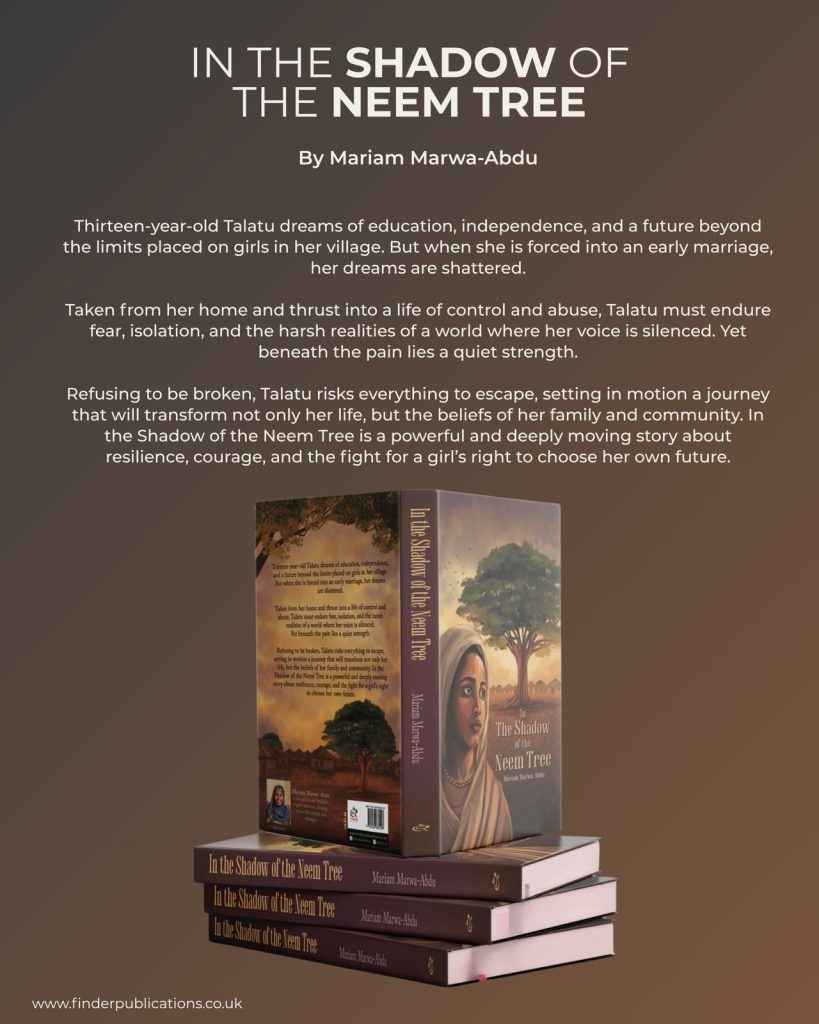
IN THE SHADOW OF THE NEEM TREE Book Launch on 11th July 2026
IN THE SHADOW OF THE NEEM TREE By Mariam Marwa-Abdu